The Facts
The Facts
Know the Facts
Alcohol affects teens differently than adults. During adolescence, the brain is still developing, especially the areas responsible for judgment, impulse control, memory, and decision-making. Introducing alcohol during this critical period can interfere with that development and increase the likelihood of risky behaviors both now and later in life.
Prevention works best when it’s grounded in knowledge. Understanding how alcohol affects the developing brain helps lead calm, informed discussions about alcohol.
Research from the National Institute on Alcohol Abuse and Alcoholism (NIAAA) shows that early alcohol use is associated with changes in brain structure and function, higher risk of alcohol use disorder (AUD) later in life, and increased likelihood of alcohol-related crashes among youth.
When teens delay drinking, they reduce those risks significantly.
Under-21 DWI fatalities in New Mexico have more than doubled since 2015.
Youth who begin drinking before age 15 are significantly more likely to develop alcohol use disorder later in life compared to those who wait
until 21.
Teens consistently report that parents are the number one influence in their decision not to drink — ranking higher than peers, media, or activities.
While New Mexico teens report lower overall drinking rates than the national average, they report higher rates of having their first drink before
age 13.
Teen and under-21 alcohol-involved drivers in crashes recently reached a 10-year high in New Mexico, for both males and females.
New Mexico youth report higher rates than
the national average for driving after drinking
and riding in a car with a driver who had
been drinking.
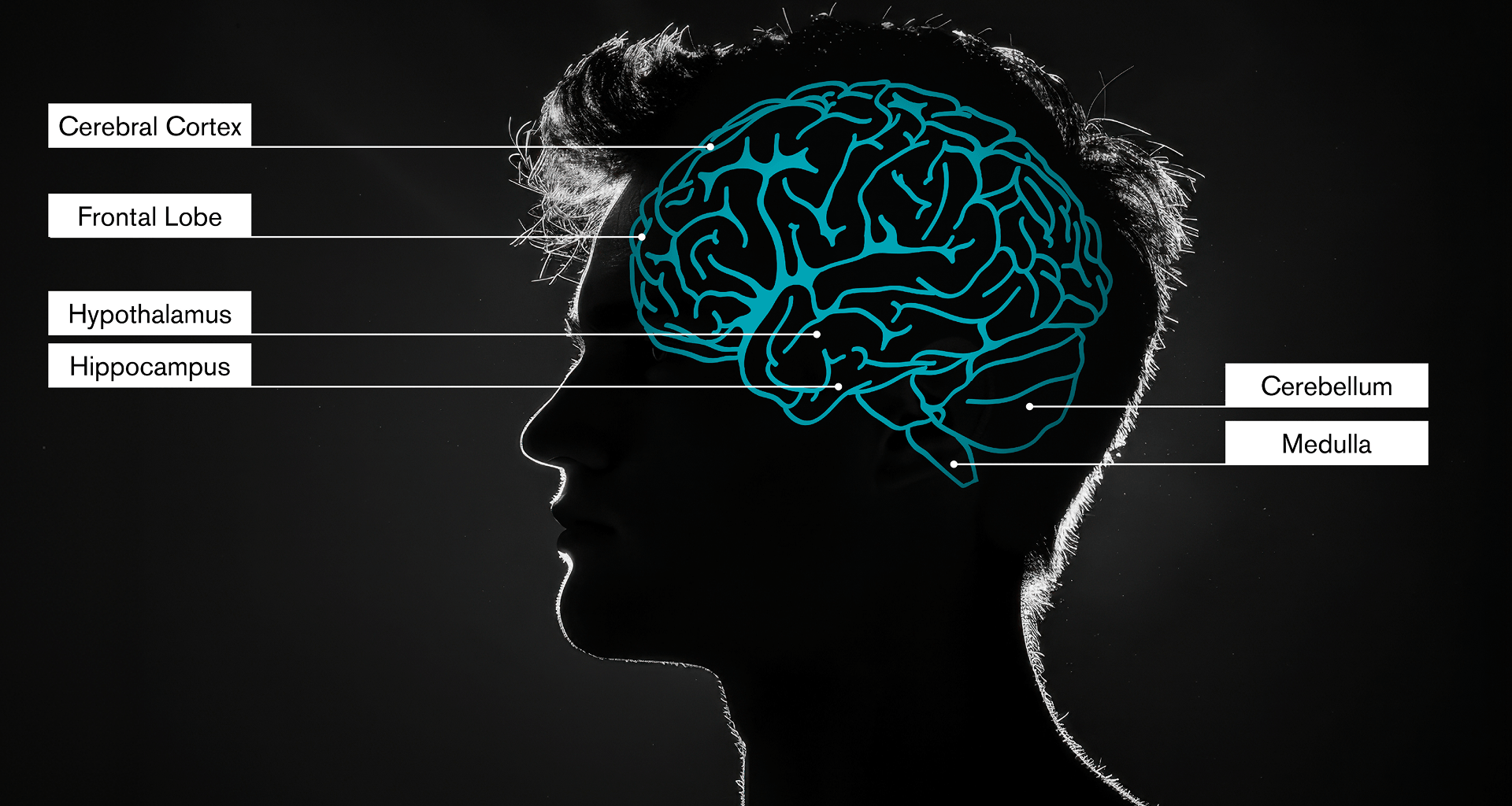
The Developing Brain
The adolescent brain continues developing into the mid-20s. The last area to fully mature is the prefrontal cortex, the part responsible for planning, decision-making, and impulse control. Alcohol affects this area directly.
Frontal Lobe (Decision-Making & Impulse Control)
This area helps teens think ahead, weigh consequences, and manage emotions. Alcohol reduces inhibition and impairs judgment. Teens are more likely to act on impulse instead of reason, something that can affect driving, relationships, and personal safety.
Hippocampus (Memory & Learning)
The hippocampus plays a key role in forming new memories. Alcohol can disrupt short- and long-term memory, making it harder to retain information and perform well academically. Blackouts can occur when the hippocampus is impaired by alcohol.
Cerebellum (Coordination & Balance)
This region controls coordination and motor skills. Even small amounts of alcohol can impair balance, reaction time, and physical control, which is one reason teen drivers are especially vulnerable to alcohol-related crashes.
Cerebral Cortex (Thinking & Awareness)
The cerebral cortex helps with reasoning, perception, and awareness. Alcohol slows brain processing, reduces attention, and affects how teens interpret situations.
Hypothalamus (Hormones & Regulation)
Alcohol disrupts hormone balance, sleep regulation, and appetite control. Poor sleep alone can impact mood, learning, and emotional resilience.
Medulla (Breathing & Body Regulation)
At high levels, alcohol suppresses breathing, heart rate, and body temperature. Alcohol poisoning, though rare, is very serious and requires immediate medical attention.
How to Talk with Your Child About their Brain Development
Understanding the science gives you confidence when talking with your child. You don’t need to overwhelm them with brain anatomy. A simple message works: Their brain is still developing. Alcohol affects that development. Waiting protects their future.
Setting clear expectations combined with listening to your child is a powerful tool. When teens know the facts and know that their parents care, they’re more likely to make safer decisions.
Why Underage Drinking Prevention Matters
Teens are more sensitive to alcohol’s effects on learning and memory than adults. At the same time, they may feel fewer immediate sedative effects, which can lead to drinking more than they realize.
Studies show that youth who begin drinking before the age of 15 are significantly more likely to develop alcohol dependence later in life compared to those who delay use. Underage drinking is associated with:
• Increased risk of alcohol-related crashes
• Higher likelihood of binge drinking
• Greater risk of future alcohol use disorder
• Poor academic outcomes
• Increased vulnerabilities to risky behavior
Underage drinking is linked to thousands of alcohol-related deaths among people under 21 each year in the United States, with motor vehicle crashes being a leading cause. That’s why prevention matters early on. By shaping attitudes around alcohol, families help reduce impaired driving and other preventable harms.